
Blog
How to Design an Outdoor Fitness Park: From Basic Parks to High-Performance Hubs

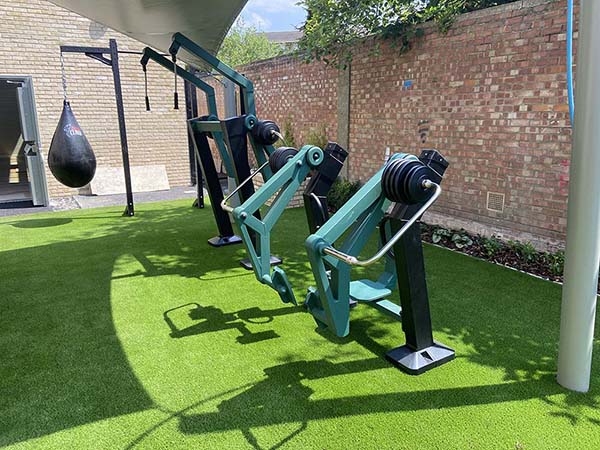
In the post-pandemic era, the demand for outdoor fitness has skyrocketed. However, many urban planners and developers are still stuck in the past, installing “traditional” equipment that often goes unused or fails to provide a real return on investment.
If you are looking to secure a government tender or design a community space that truly stands out, the “standard” approach is no longer enough. Here is your strategic guide to designing a modern, high-performance outdoor gym.
- The Death of the “Standard” Outdoor Gym
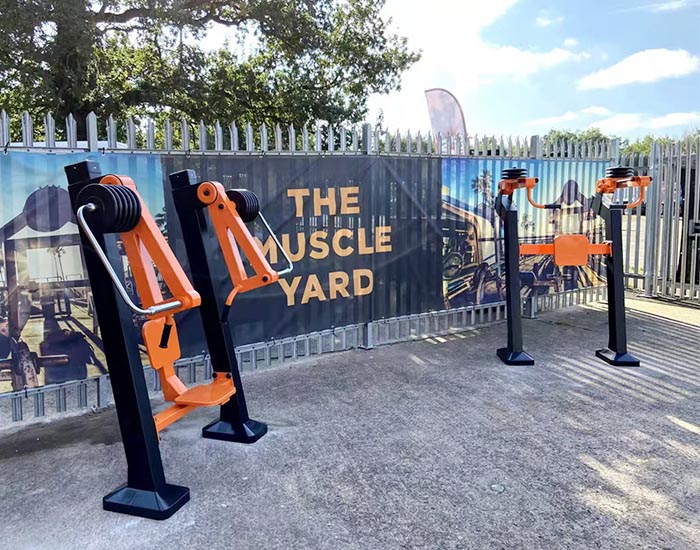
For years, the market has been flooded with low-cost, static equipment—think simple leg presses and air walkers. While these serve a purpose for gentle senior mobility, they have created several problems for dealers and developers:
- Extreme Price Competition:Because these products are commoditized, it leads to a “race to the bottom” on price, slashing your profit margins.
- Lack of Innovation:Traditional gear fails to engage younger demographics or serious athletes.
- Low Durability:Often built without professional-grade resistance, these machines are viewed as toys rather than serious strength training equipment.
To win a modern project, you must move beyond the basic.
- Winning the Tender: The Power of Innovation
Government procurement and private developers are now looking for “future-proof” investments. To increase your winning rate, your design must include innovative, professional-grade equipment.
- Variable Resistance Strength Training:The biggest trend is adjustable weight systems. By including strength training equipment with magnetic resistance or adjustable loads, you allow users to customize their workout intensity—just like in a professional indoor gym.
- Street Workout & Calisthenics:These stations attract the “active youth” demographic. They are cost-effective, visually striking, and turn an outdoor gym into a vibrant social hub for functional training.
- Apply “Indoor Logic” to Outdoor Spaces
A world-class outdoor gym equipment layout should follow a logical training flow. Instead of placing random machines, design your park in functional zones:
- The Warm-Up Zone:Low-impact mobility gear to prepare the joints.
- The Strength Zone:This is the heart of the park. Focus on multi-functional stations that target major muscle groups (chest press, squats, rows).
- The Cardio
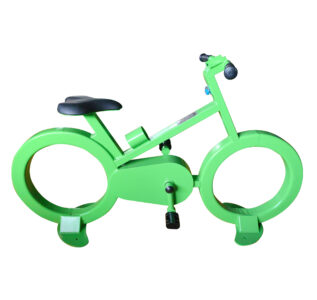
- Zone:Include tech-equipped cardio bikes or elliptical trainers that can withstand extreme weather while providing a high-intensity workout.
By creating a circuit, you ensure that the park caters to the entire fitness journey, making it a “strategic investment” for the community rather than just a collection of metal bars.
- Create an Intergenerational Community Hub
The most successful outdoor fitness parks are those that consider the whole family. People are more likely to exercise if their children are engaged nearby. Integrating a children’s play area or a “junior ninja” course adjacent to the fitness zone allows parents to stay active while keeping an eye on their kids. This holistic approach is a massive selling point for residential developers and municipal planners who want to increase “dwell time” in public spaces.
- Partner with the Experts: Tasboo
Designing a high-performance space requires more than just picking products from a catalog; it requires a deep understanding of biomechanics, weatherproofing, and site flow.
At Tasboo, we leverage 12 years of industry expertise to help you build competitive edges. Whether you have a small urban corner or a massive public park, we provide:
- Professional Product Recommendations:From patented magnetic resistance systems to military-grade durability.
- Custom Site Design:3D renderings and layouts that help your clients visualize the final result.
- Support & Reliability:We don’t just supply; we partner with you to ensure your project wins the bid and stands the test of time.